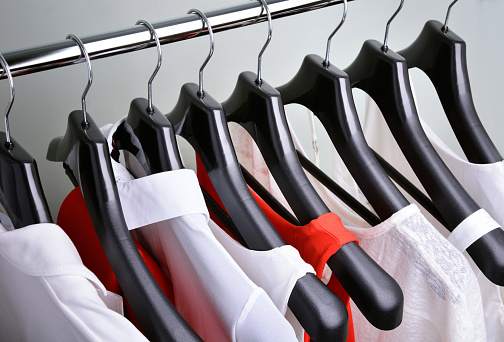
We’ve all been there: a garment looks stunning on the hanger but feels disappointing on the body, or a comfortable favorite loses its shape after a single wash. The secret to a wardrobe that looks good and feels great lies in understanding the marriage of two key elements: the cut (style/fit) and the fabric (material/texture).
Choosing clothes is more than just picking a color or trend. It’s about knowing how structure and substance interact with your body and lifestyle. Let’s break down this essential fashion duo.
Part 1: The Blueprint – Understanding Clothing Cuts & Silhouettes
The cut defines the shape and fit of a garment. It’s the architect’s plan.
- The Silhouette: This is the overall outline.
- A-Line: Fitted at the shoulders/waist and flares out (timeless, flattering for most).
- Bodycon: Follows the curves of the body closely (creates a bold, defined look).
- Oversized: Intentionally loose and boxy (offers comfort and a modern, relaxed vibe).
- Shift: Straight up and down with little waist definition (chic, minimalist).
- Empire: High waistline just below the bust, with a flowing skirt (romantic, forgiving).
- The Fit: This is how the silhouette relates to your body.
- Tailored/Fitted: Precise, with clear darts and seams that follow your shape (think blazers, pencil skirts). Projects polish and professionalism.
- Relaxed: Easy and comfortable with some room for movement. The goal is ease, not sloppiness.
- Structured: Holds its own shape, often with interfacing or padding (e.g., a structured blazer, a taffeta ball skirt). It defines your form.
- Unstructured: Flows softly and moves with you (e.g., a linen shirt, a modal knit dress). It’s fluid and natural.
Part 2: The Soul – Decoding Fabric & Material
The fabric gives life to the cut. It determines how a garment feels, moves, wears, and cares for itself. Think of it as the character of the piece.
A. Natural Fibers: Breathable & Classic
- Cotton: The everyday hero. Breathable, soft, and durable. Perfect for t-shirts, denim, and casual shirts. Downside: Can wrinkle and shrink.
- Linen: The summer savior. Extremely breathable, lightweight, with a beautiful textured drape. Ideal for warm-weather pants, shirts, and dresses. Embrace the wrinkle—it’s part of the charm.
- Wool: The versatile insulator. Temperature-regulating, resilient, and can be woven for all seasons. From fine Merino for base layers to tweed for jackets. Quality varies greatly.
- Silk: The luxurious classic. Smooth, lustrous, and temperature-regulating. Drapes beautifully for blouses, dresses, and scarves. Delicate and requires careful care.
B. Synthetic & Man-Made Fibers: Functional & Innovative
- Polyester: The durable workhorse. Wrinkle-resistant, strong, and quick-drying. Often used in activewear, blends, and outerwear. Low-cost versions can feel less breathable.
- Nylon: The strong performer. Lightweight, exceptionally strong, and elastic. The star of stockings, activewear, and windbreakers.
- Rayon/Viscose: The plant-based draper. Made from cellulose. Silky, drapes beautifully, and is breathable. Common in flowy blouses and dresses. Can be delicate when wet and may shrink.
C. Blends: The Best of Both Worlds
Blends aim to combine the strengths of different fibers.
- Cotton-Polyester: Reduces wrinkling and shrinkage while maintaining some breathability. Common in everyday shirts and bedding.
- Wool-Synthetic: Adds durability, shape retention, and sometimes reduces cost in suiting fabrics.
The Golden Rule: How Cut and Fabric Work Together
The magic happens in the synergy. The wrong fabric can ruin a perfect cut, and vice-versa.
- A structured blazer needs a fabric with body, like a wool blend, tweed, or a thick cotton. Silk would be too limp.
- A flowy maxi dress demands a fabric with drape, like rayon, chiffon, or soft linen. Stiff denim would not work.
- A bodycon dress requires a fabric with stretch and recovery, like a knit blend, scuba, or ponte roma. Stiff brocade would be uncomfortable and unflattering.
- Loose, linen pants are chic because the relaxed cut aligns perfectly with the crinkled, breathable nature of the fabric.
Your Practical Checklist Before You Buy
- Look at the Label: Check the fiber content and care instructions first.
- Feel It: Does the texture feel pleasant against your skin? Is it scratchy, plasticky, or heavenly soft?
- Move in It: Stretch, sit down, raise your arms. Does the fabric allow the cut to move with you?
- Consider Care: Are you willing to hand-wash silk or flat-dry wool? If not, a machine-washable cotton or blend is more practical.
Understanding the relationship between cut and fabric empowers you to make intentional, lasting choices. It’s the difference between just wearing clothes and cultivating a truly functional, personal style.